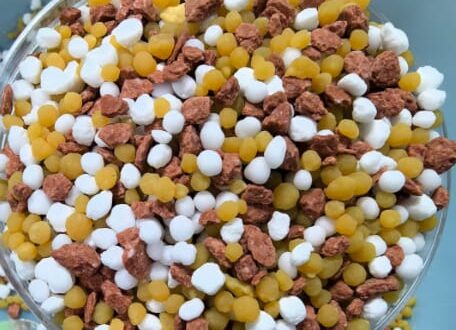
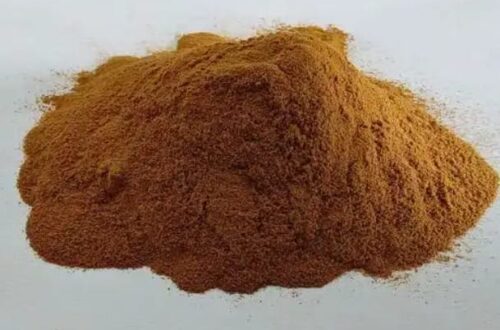
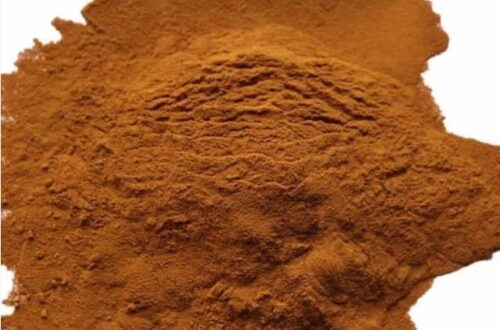
Clay: formed by the weathering of silicate minerals on the ground, containing small amounts of elements such as calcium, magnesium, and potassium.
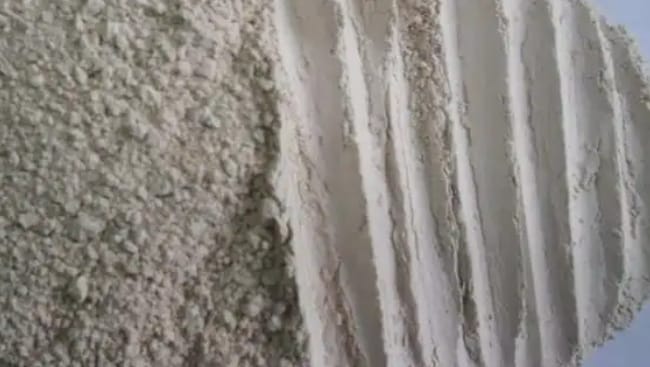
White clay: Activated white clay has strong adsorption capacity and can adsorb organic substances. Acidic white clay belongs to a type of bentonite and has high adsorption capacity.
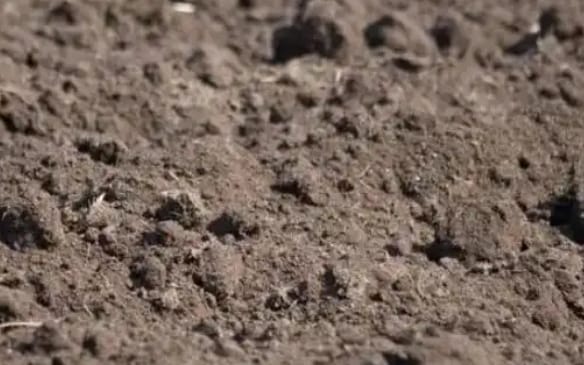
Calcareous soil: Black calcareous soil has a good structure and neutral reaction, with high natural fertility. Chestnut calcareous soil has a poor structure and lacks moisture, but contains some organic matter and ash. Grey calcareous soil is loose and has alkaline or calcareous reactions.
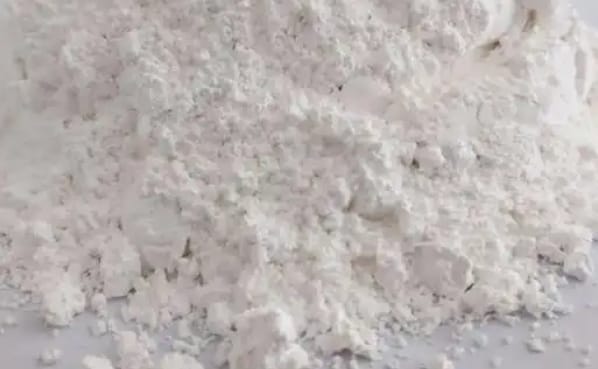
Talc powder: It has the characteristics of high melting point, good covering power, and strong adsorption power.
Clay
1. Usually formed by the weathering of silicate minerals on the ground, clay that is weathered in situ, has larger particles, and has a composition close to the original stones is called “primary clay” or “primary clay”.
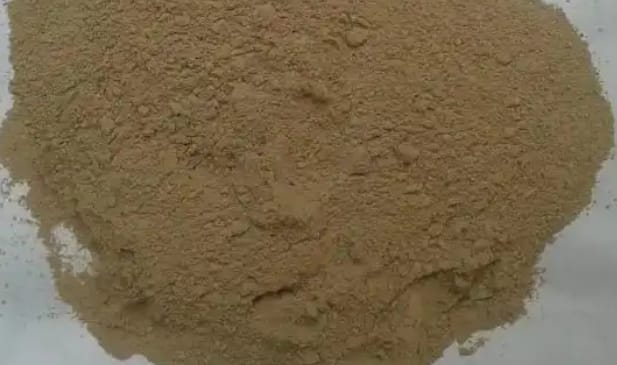
2. Clay is an important mineral raw material that contains small amounts of elements such as potassium, calcium, magnesium, iron, and sodium.
White soil
It can be divided into active clay and acidic clay.
1. Activated clay
(1) It is an adsorbent made from clay (mainly bentonite) as raw material, treated with inorganic acidification, and then rinsed and dried with water.
(2) It appears as a milky white powder, non-toxic, odorless, and tasteless, with strong adsorption capacity and the ability to adsorb colored and organic substances.
2. Acidic clay
(1) Also known as natural bleaching soil, it refers to the naturally occurring white soil with bleaching properties, appearing white, white gray, etc.
(2) This type of soil belongs to a type of bentonite, which is mainly composed of quartz, montmorillonite, and sodium feldspar. It is non plastic and has high adsorption capacity.
Calcareous soil
Including black calcareous soil, chestnut calcareous soil, and gray calcareous soil.
1. Black calcareous soil
(1) It belongs to the dark soil formed in the continental climate and semi-arid grassland zone, mainly distributed in the Songliao Plain, eastern Inner Mongolia, and scattered areas in the northwest.
(2) This type of soil has a complete profile, thick humus layer, good structure, neutral reaction, and high natural fertility.
2. Chestnut calcareous soil
(1) The soil is formed in semi-arid or arid areas and under grassland vegetation, mainly distributed in Songliao Plain, western Inner Mongolia, and northern the Junggar Basin.
(2) The surface layer of this type of soil is chestnut colored, containing a certain amount of organic matter and ash. The soil structure is poor, lacking moisture, and the entire profile contains soluble salts.
3. Grey calcareous soil
(1) It belongs to the soil formed under continental climate, desert grassland areas, and sparse arid vegetation conditions, mainly distributed in Gansu, Qinghai, Inner Mongolia, Xinjiang and other regions.
(2) The organic matter content in this type of soil is relatively low, loose and unstructured, and exhibits alkaline or calcareous reactions.
Talc powder
1. Belonging to industrial products, the main component is hydrated magnesium silicate, and the raw material is talc. After crushing, it is treated with hydrochloric acid, washed with water, and dried to produce talc powder.
2. It has lubricity, fire resistance, acid resistance, insulation properties, and physical and chemical characteristics such as high melting point, chemical inactivity, good covering power, softness, good luster, strong adsorption power, etc.
3. The crystalline structure of talc is layered, making it easy to split into scales and possessing special lubricity.