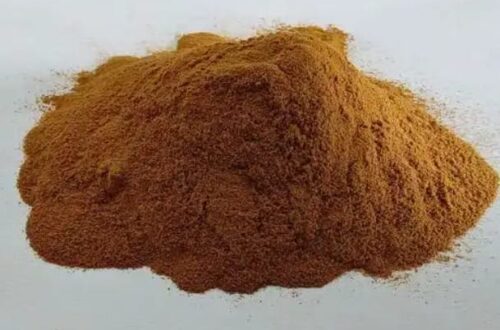
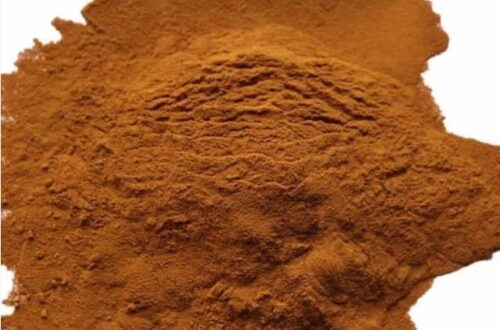
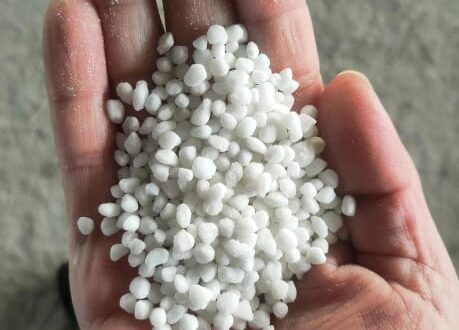
The selection is usually based on multiple considerations such as cost, safety, environmental friendliness, and impact on fertilizer performance. The common types of mixed fertilizer fillers are as follows:

Bentonite: Bentonite is a natural clay mineral, mainly composed of montmorillonite. It has good water absorption, expansion, dispersion, and adhesion, which can improve the particle structure of fertilizers, increase their compressive strength, and reduce crushing and pulverization during transportation and storage. At the same time, bentonite can also adsorb some nutrients in fertilizers, slow down the release rate of nutrients, and improve the utilization rate of fertilizers.
Diatomaceous earth: Diatomaceous earth is a biogenic sedimentary rock formed by the accumulation of diatom remains, characterized by porous structure, low density, and large specific surface area. Adding diatomaceous earth to mixed fertilizers can increase the porosity of the fertilizer, improve its air and water permeability, and facilitate root growth and nutrient absorption. In addition, diatomaceous earth also has certain adsorption properties, which can adsorb odors and harmful substances in fertilizers, improving the quality of fertilizers.
Talc powder: Talc powder is a natural mineral, mainly composed of hydrated magnesium silicate. It has characteristics such as lubricity, flexibility, fire resistance, and insulation. Adding talcum powder to mixed fertilizers can improve the flowability and dispersibility of the fertilizers, making them more uniform during mixing and granulation, and increasing production efficiency. At the same time, talcum powder can also reduce the friction coefficient of fertilizers, minimize equipment wear, and extend the service life of equipment.
Calcium carbonate: Calcium carbonate is a common inorganic compound that is widely present in nature. Adding calcium carbonate to mixed fertilizers can adjust the pH of the fertilizer, making it more suitable for the soil’s acidic and alkaline environment, and reducing the impact on soil acidification or alkalization. In addition, calcium carbonate can also serve as a source of calcium, providing plants with certain calcium nutrition.
Other fillers: In addition to the common fillers mentioned above, there are also some other substances that can be used as fillers for mixed fertilizers, such as rice husk powder, straw powder, sawdust and other organic waste. These fillers can not only reduce the cost of fertilizers, but also realize the resource utilization of waste and reduce environmental pollution.
When selecting mixed fertilizer filling materials, comprehensive consideration should be given to factors such as the type, purpose, soil conditions, and environmental requirements of the fertilizer. At the same time, attention should be paid to the amount of filler added, as excessive addition may affect the nutrient content and fertilizer efficiency of the fertilizer.
We currently have this type of product in our store. We provide high-quality mixed fertilizer related raw materials, such as fillers with excellent properties, which can improve fertilizer performance. Please feel free to contact us for more information.