Lignin is an amorphous aromatic polymer widely present in plants, with molecular structures containing oxygen-containing phenylpropanol or its derivative structural units.
Lignin is a surfactant that can be modified, processed, and compounded to produce multiple products. It is mainly used in resins, rubber, dyes, ceramics, cement, asphalt, feed, water treatment, coal water slurry, concrete, refractory materials, oilfield drilling, compound fertilizers, smelting, casting, and adhesives. Through experiments, it has been proven that lignosulfonate is highly effective in preventing sandy soil and can also be used as a sand fixing agent in deserts.
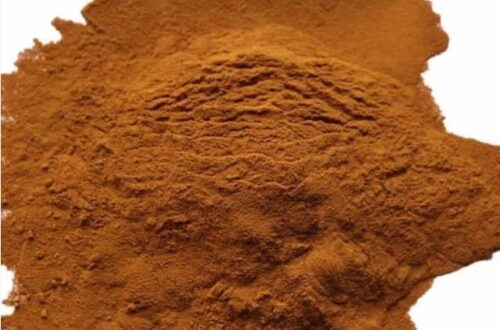
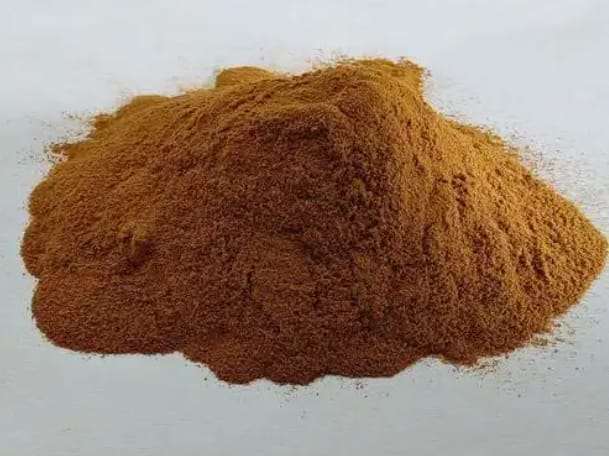
Lignin is a kind of plant extract, which is produced through concentrated modification reaction and spray drying. It is a light yellow (brown) free flowing powder that is easily soluble in water, chemically stable, and does not decompose after long-term sealed storage. So today, lignin manufacturers will briefly introduce its uses. Interested friends, let’s take a look together.
1. Concrete water reducer: It is a powdery low air entraining retarding water reducer, belonging to anionic surface active substances, which have adsorption and dispersion effects on cement and can improve various physical properties of concrete. Reduce water usage by more than 13%, improve the workability of concrete, and significantly reduce the initial hydration heat of cement. It can be compounded into early strength agents, retarders, antifreeze agents, pumping agents, etc. Liquid additives made by compounding with naphthalene based high-efficiency water reducing agents have little precipitation.
2. Water coal slurry additive: Adding lignin during the preparation of water coal slurry can increase the output of the high mill, maintain the normal condition of the slurry preparation system, reduce the power consumption of slurry preparation, increase the concentration of water coal slurry, reduce oxygen and coal consumption during gasification, improve the efficiency of cold coal gas, and reduce the viscosity of water coal slurry to achieve certain stability and fluidity.
3. Refractory materials and ceramic body reinforcing agents: In the manufacturing process of large-sized wall and floor tiles and refractory bricks, they can firmly bond the particles of the raw materials of the body, which can increase the dry strength of the body by more than 20% -60%.
4. Fillers and dispersants for dye industry and pesticide processing: When used as dispersants and dispersants for reducing dyes and dispersing dyes, they can increase dye color power, achieve more uniform coloring, and shorten dye grinding time; In pesticide processing, it can be used as a filler, dispersant, and suspension agent, greatly improving the suspension rate and wetting performance of wettable powders.
5. As a binder for powdered and granular materials: used for pressing iron ore powder, lead-zinc ore powder, coal powder, and coke powder; Pressing of cast iron and cast steel sand molds; Extrusion molding of mud brick walls, floor tiles, etc; The balling of mineral materials can achieve good results such as high strength, good stability, and lubrication of molds.
6. Meanwhile, lignin is used as a diluent dispersant and viscosity reducer in drilling; Improve the fluidity of crude oil transportation and reduce energy consumption. In petroleum products, it is used as a cleaner, dispersant, high alkaline additive, rust inhibitor, anti-static agent, emulsifying and viscosity reducer, wax remover and anti wax agent, etc.