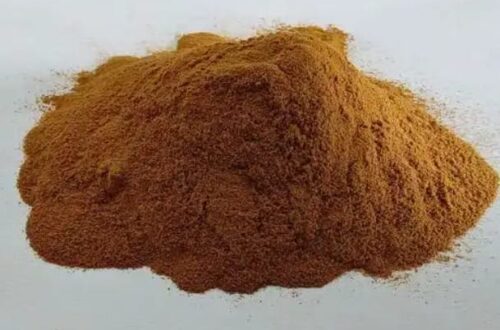
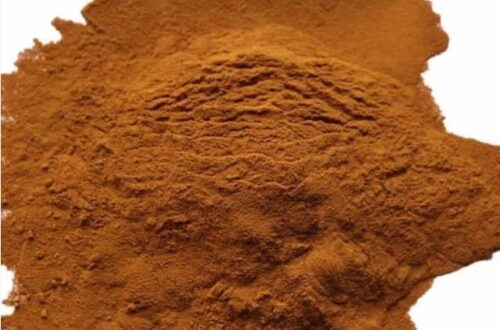
The commonly used auxiliary materials for high tower compound fertilizer are mainly divided into four categories: binders, fillers, conditioners, and functional additives.
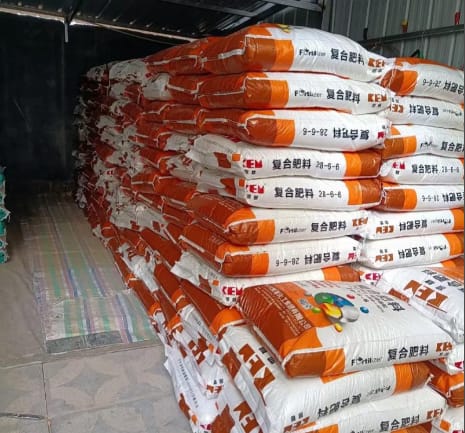
The following is an explanation from the perspective of raw material composition and process requirements:
1. Adhesive:
During the high tower granulation process, the raw materials need to be bonded into particles in a high-temperature molten state, commonly using bonding materials such as bentonite, gypsum, diatomaceous earth, and lignosulfonate. Bentonite is widely used in urea based compound fertilizers due to its excellent water absorption and low cost; Gypsum is mainly used to adjust the hardness of fertilizers.
2. Fillers:
Supplement material volume and adjust nutrient ratio, commonly using dolomite powder, calcium carbonate, and kaolin. For example, dolomite powder can provide calcium and magnesium elements while neutralizing the acidity of fertilizers; Kaolin helps slow down nutrient release in slow-release fertilizers.
3. Conditioner:
Improve the physical properties of fertilizers, such as anti caking and moisture absorption. The mainstream choices include humic acid, amino acids, and fatty alcohol polyoxyethylene ether. Humic acid conditioners can also enhance soil water and fertilizer retention capacity, especially suitable for arid areas.
4. Functional additives:
Add for special needs, such as trace elements (borax, zinc sulfate), microbial agents (Bacillus subtilis), and nitrification inhibitors (melamine). The proportion of zinc fertilizer added to corn specific fertilizers is usually between 0.5% and 1.2%.
The specific formula needs to be determined comprehensively based on the fertilizer requirements of crops, the melting temperature of raw materials, and equipment parameters. When producing sulfur based compound fertilizers, to avoid the risk of sulfur ignition at high temperatures, binders with melting points below 160 ℃ will be preferred.