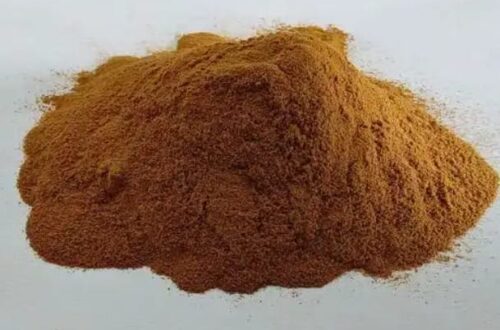
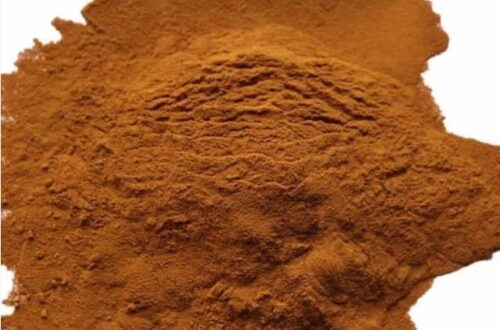
Fertilizer can be applied in trenches, holes, or scattered in the ground. In some cases, we may see that fertilizer does not melt when scattered in the ground. The non melting of fertilizers may affect fertilizer efficiency and prevent crops from being replenished with nutrients. What’s the reason why fertilizer doesn’t melt when spread in the ground? Below, the editor summarizes the reasons why chemical fertilizers do not melt when scattered in the ground.
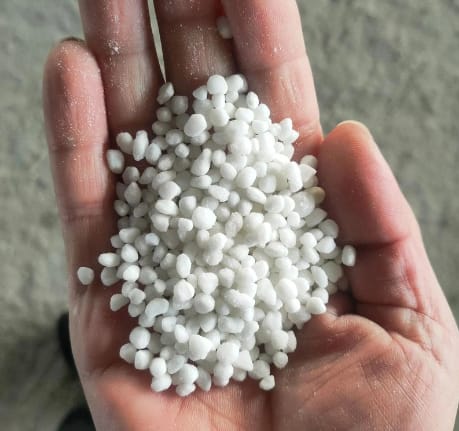
The reason why fertilizer does not melt when spread in the ground
1. Differences in the solubility of fertilizers. There are many types of fertilizers with significant differences in solubility. Urea, ammonium bicarbonate, potassium fertilizer and other substances have good solubility. Phosphate fertilizers and compound fertilizers have poor solubility. The reason is that fertilizers contain not only nutrients that can be absorbed by crops, but also other components. In the production of compound fertilizers, a small amount of binders, fillers, etc. are also added. Most of the by-products in these fertilizers are insoluble. So it is normal to find residual particles after applying some compound fertilizers, especially low concentration compound fertilizers, to the soil for a period of time.
2. Apply fake fertilizers. Fake fertilizers may also be one of the reasons why fertilizers do not melt when scattered in the ground.
What’s the reason why fertilizer doesn’t melt when spread in the ground? The reason why fertilizers do not melt when spread in the ground is mainly due to differences in their solubility and the use of fake fertilizers. So don’t be in a hurry when you encounter this situation, pay attention to distinguishing what is causing it, which is the key.
The carbon filled fertilizer I use dissolves quickly, you can give it a try