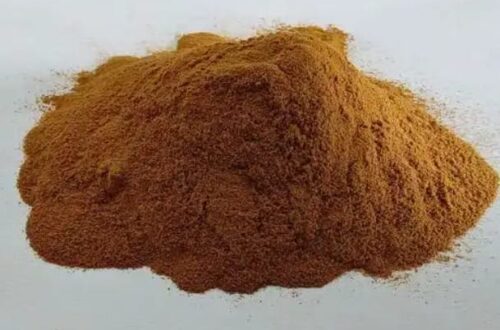
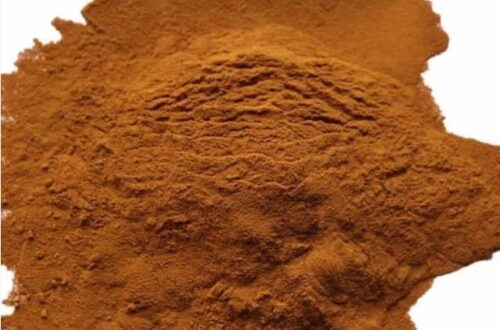
Agricultural inputs mainly include the following categories:
pesticides:
Insecticides: Used to prevent and control harmful insects and mites that harm agricultural, forestry, and animal husbandry production.
Fungicide: a general term for drugs used to prevent and treat various pathogenic microorganisms.
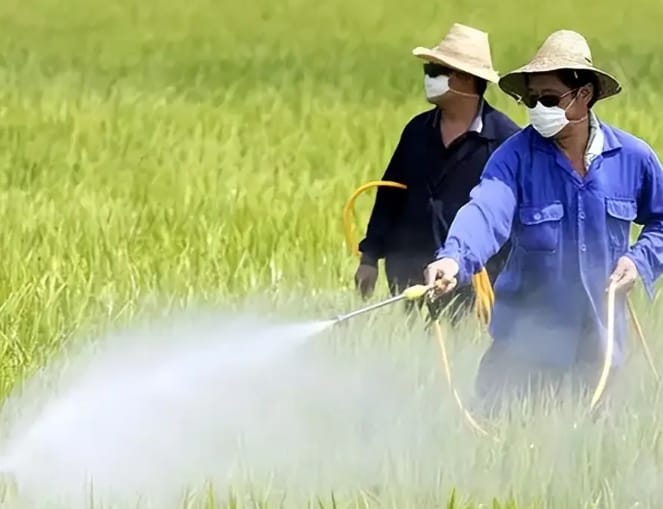
Herbicide: a pesticide that can completely or selectively kill weeds.
Plant growth regulators and soil amendments: used to regulate plant growth and improve soil conditions.
Fertilizer:
Nitrogen fertilizer: A fertilizer containing nitrogen elements that helps with the growth of plant leaves.
Phosphate fertilizer: A fertilizer containing phosphorus, which plays an important role in the growth of plant roots and the development of flowers and fruits.
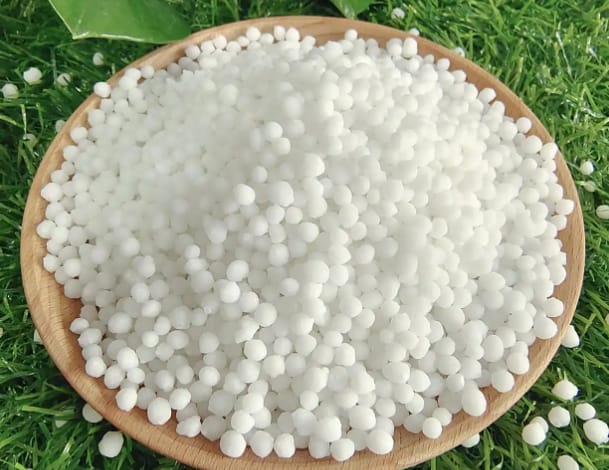
Potassium fertilizer: A fertilizer containing potassium, which can enhance plant stress resistance, improve yield and quality.
Compound fertilizers, blended fertilizers, slow-release fertilizers, and controlled-release fertilizers: These fertilizers are proportioned according to crop growth needs and have different release rates and nutrient contents.
Organic inorganic mixed fertilizers, microbial fertilizers, foliar fertilizers, flushing fertilizers, and trace element fertilizers: These fertilizers provide more comprehensive nutrients that contribute to the healthy growth of crops.
Agricultural machinery:
Large tractor: used in agricultural production processes such as plowing, sowing, and fertilizing.
Harvester: used for harvesting crops to improve harvesting efficiency.
Corn machine: specifically designed for harvesting and processing corn.
Straw crusher: used to process crop straw and convert it into organic fertilizer or feed.
These agricultural inputs play an important role in agricultural production and are the fundamental elements for the smooth progress of agricultural production.