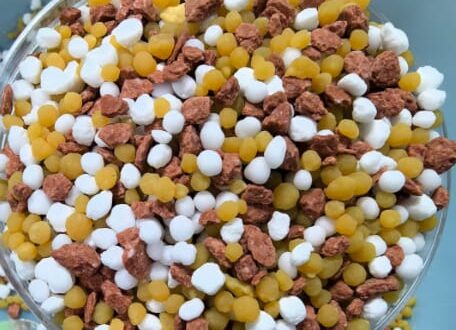
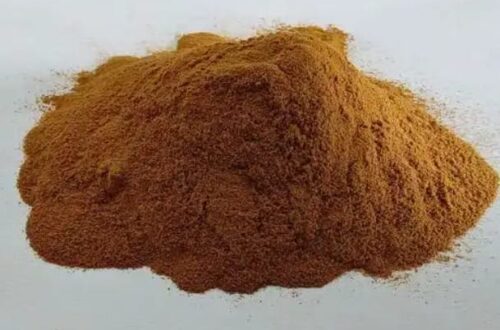
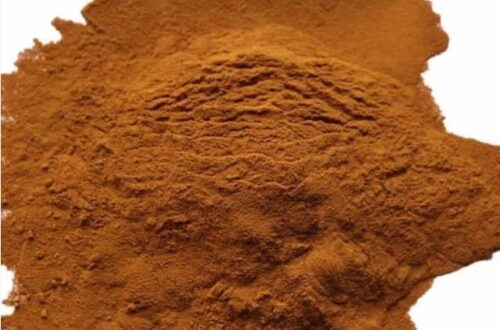
Compound fertilizer cannot be used as water-soluble fertilizer, and it is not recommended to use drip irrigation after dissolving it in water. Here are the specific reasons:
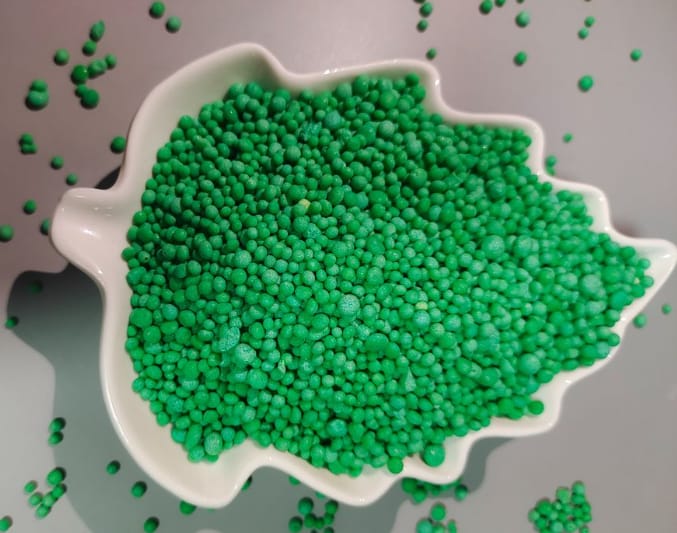
1. Differences in process and water solubility:
Compound fertilizers are chemically synthesized, and their process limitations result in poor water solubility. Although the composite fertilizer produced by tower granulation has relatively good water solubility, it still contains a large amount of fillers and binders overall, which can form impurities in the aqueous solution.
Water soluble fertilizer is made by physical mixing, with good raw materials that can achieve complete water solubility. Its solution is clear to the bottom and suitable for drip irrigation, direct irrigation and foliar spray.
2. Risk of clogging nozzle:
Due to the large amount of impurities contained in the dissolved compound fertilizer, if used through drip irrigation equipment, it is easy to block the nozzle and affect the irrigation and fertilization effects.
3. Absorption and utilization rate:
Although compound fertilizer can be directly applied to the soil after melting, its absorption and utilization rate is relatively low in this way. In contrast, water-soluble fertilizers are more easily absorbed by plant roots and have faster fertilizer efficiency.
4. Fertilizer characteristics and uses:
Compound fertilizer is suitable for use as a base fertilizer, as it has a longer fertilizer effect and can provide nutrients to the roots for a long time.
Water soluble fertilizers belong to quick acting fertilizers and are suitable for use as topdressing to meet the nutrient needs of plants at different growth stages.
In summary, there are significant differences between compound fertilizers and water-soluble fertilizers in terms of process, water solubility, usage, and fertilizer characteristics. Therefore, compound fertilizers cannot replace water-soluble fertilizers for drip irrigation or topdressing. In actual agricultural production, appropriate fertilizer types and usage methods should be selected based on the growth needs of crops and soil conditions.